Leak detection services
Start with the system involved. Each guide explains warning signs, suitable tests, what the findings can show, and what may require a separate repair.
Choose the system you need investigated.
Hidden supply loss, drainage problems, pool water loss, and building moisture need different inspection scopes. Compare the relevant service below, then describe the actual pattern and access conditions when discussing your property.
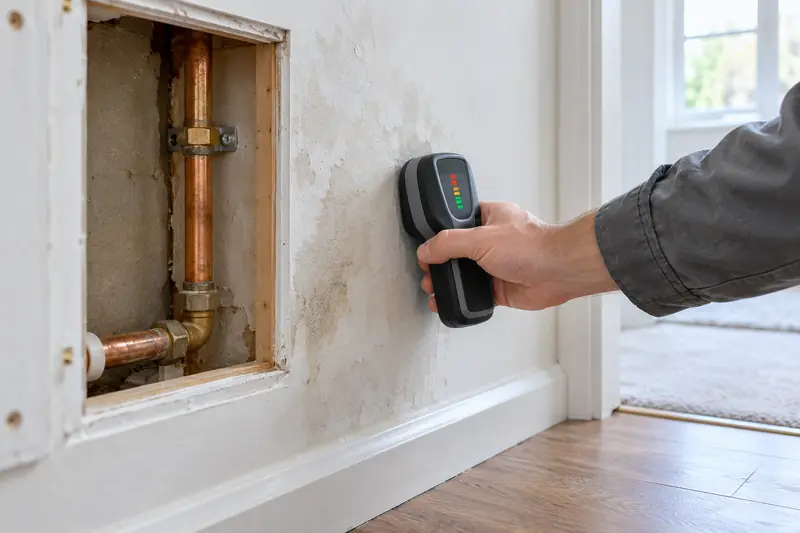
Water Leak Detection
Investigate unexplained water use or moisture when the source is uncertain, then identify the appropriate plumbing, slab, or underground assessment.
Explore this service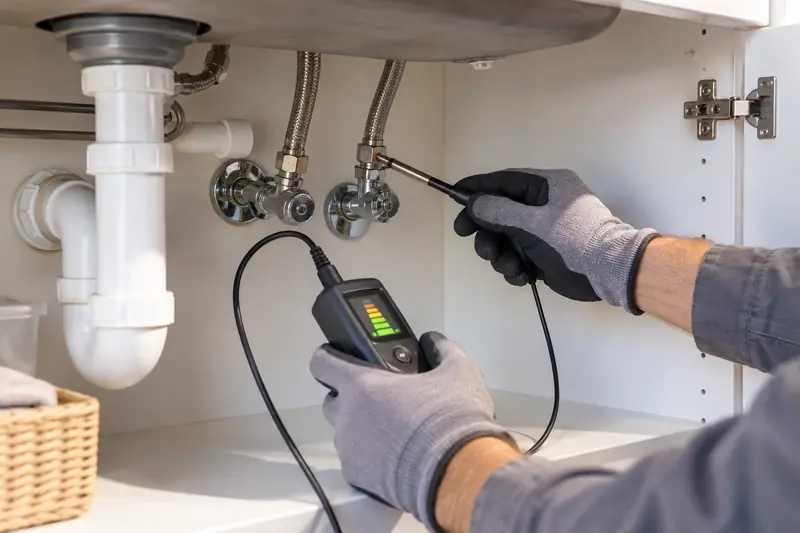
Plumbing Leak Detection
Separate indoor supply leaks from fixture, drain, and appliance problems using the timing and location of the moisture.
Explore this service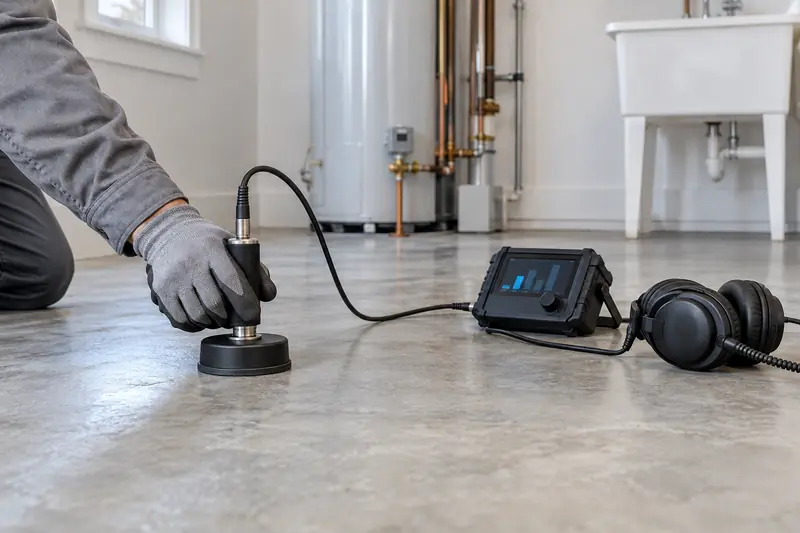
Slab Leak Detection
Investigate suspected piping leaks beneath concrete and understand the findings before authorizing floor access or discussing a reroute.
Explore this service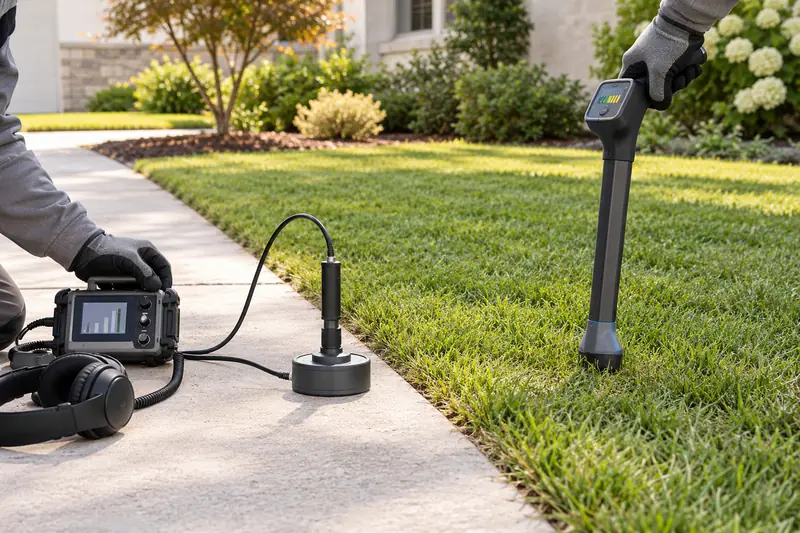
Underground Leak Detection
Investigate buried exterior lines and persistent wet ground, with attention to branch isolation, pipe routes, and excavation planning.
Explore this service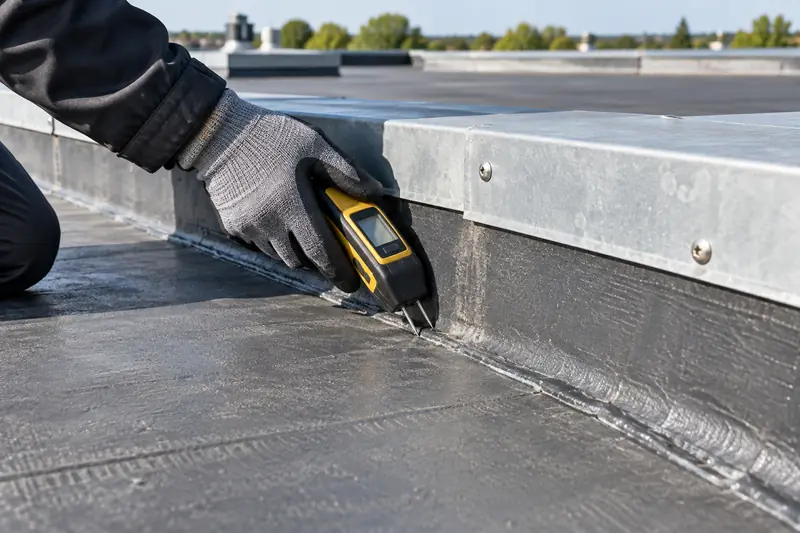
Roof Leak Detection
Trace rain-related ceiling stains and roof moisture with an investigation suited to the roof material, access and leak history.
Explore this service
Pool Leak Detection
Investigate pool water loss with evaporation comparisons, circuit isolation and targeted checks of the shell, fittings and buried plumbing.
Explore this service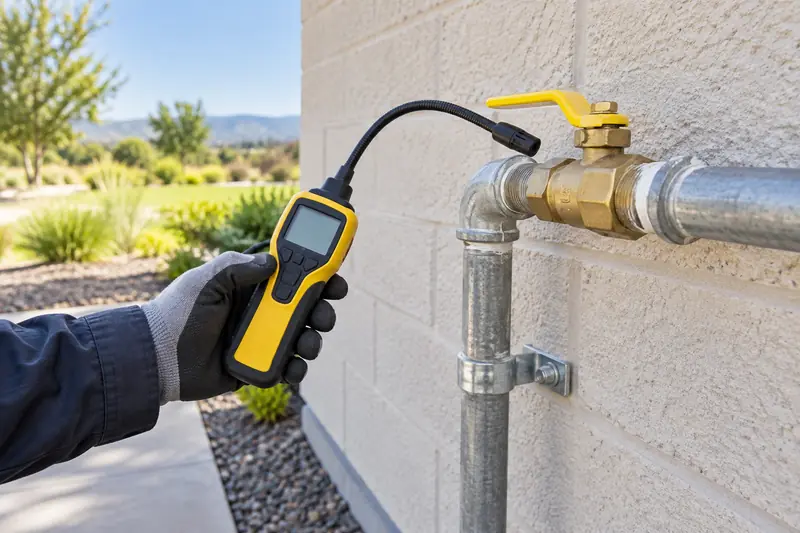
Gas Leak Detection
Suspect gas? Leave immediately and call the utility or 911 from safety. Arrange independent professional assessment after emergency instructions are satisfied.
Explore this service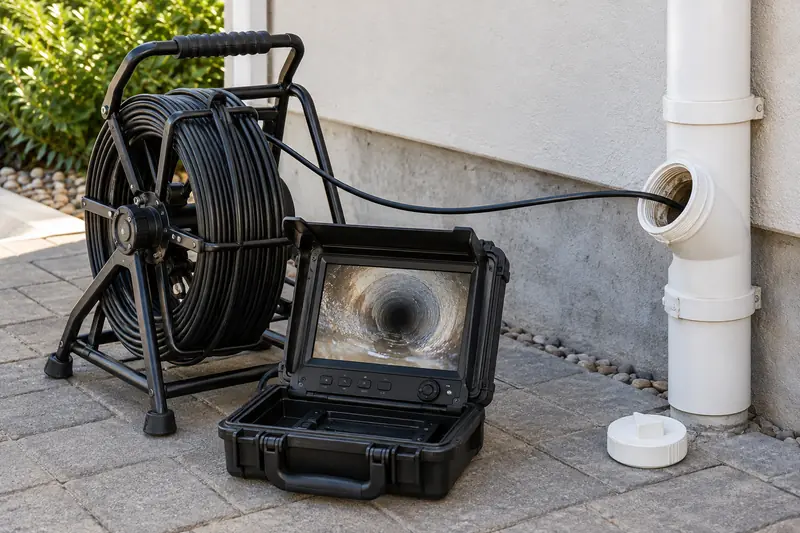
Sewer & Drain Leak Detection
Separate drain blockages, pipe defects and odor pathways with targeted wastewater investigations and clear limits on camera and location findings.
Explore this service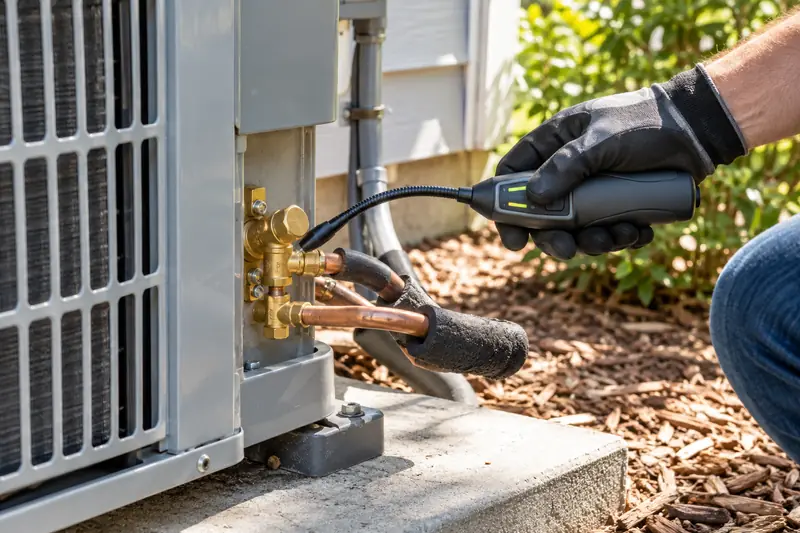
HVAC & Refrigerant Leak Detection
Separate suspected refrigerant loss from condensate drainage problems and understand the tests an independent HVAC provider may recommend.
Explore this service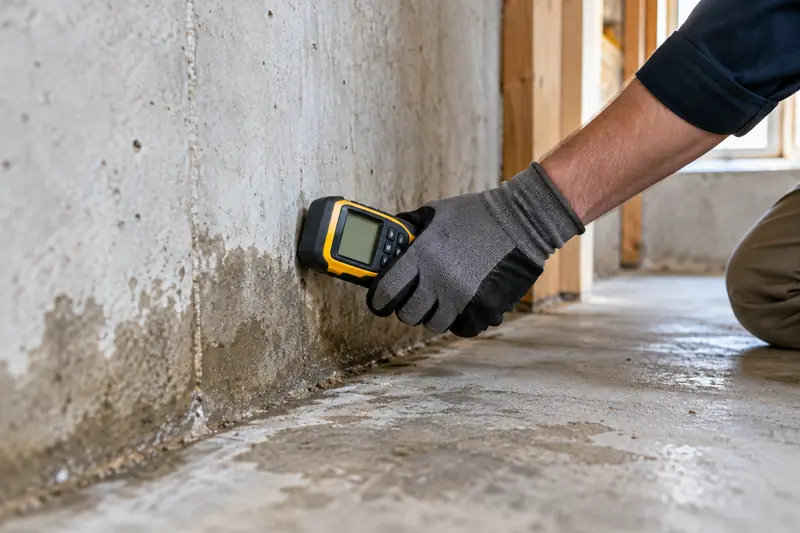
Basement & Foundation Leak Detection
Investigate basement dampness and foundation-edge water while distinguishing exterior entry, plumbing loss and condensation.
Explore this service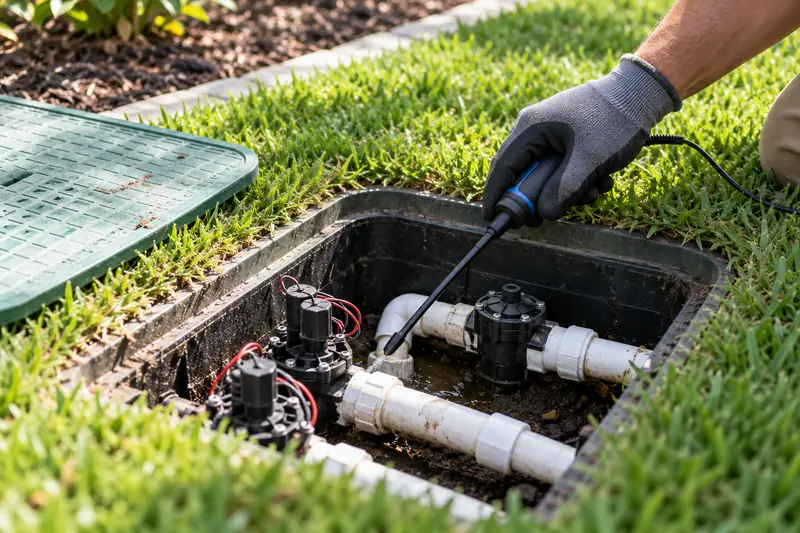
Irrigation & Sprinkler Leak Detection
Trace suspected irrigation loss by zone and distinguish buried pipe problems, valve leakage and sprinkler drainage.
Explore this service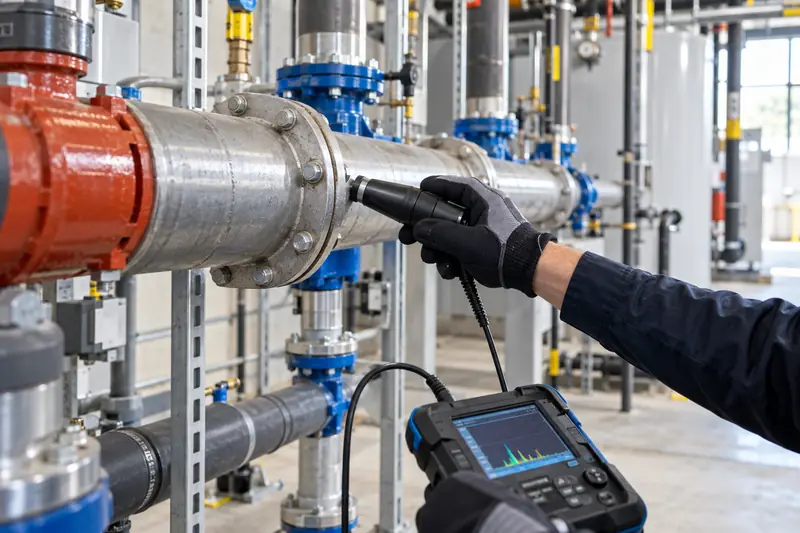
Commercial & Industrial Leak Detection
Scope facility water and utility-system leak investigations around operating records, access, isolation and repair verification.
Explore this serviceAI-generated images illustrate each inspection context.
What have you noticed?
A change in water use, a damp surface, and a falling pool level point to different starting tests. Choose the closest observation to find a relevant guide.
This is general guidance. It cannot confirm a leak or identify its location.
Questions before choosing a service
Which inspection should I discuss when the source is unknown?
Describe the symptom before choosing a test: unusual water use, moisture after a fixture drains, a stain following rain, or a falling pool level. A water-supply check and a roof, pool, drain, or refrigerant investigation answer different questions. Call with that pattern and the property location to discuss a suitable starting scope.
Does leak detection include the repair?
Not automatically. An inspection establishes findings and limits; repair changes the affected component or building detail. Ask whether access work, repair, verification, and restoration are included or need separate approval. Compare the actual scope rather than assuming every service is a combined package.
What affects the work involved in an inspection?
The affected system, access, layout, operating conditions, and evidence already available influence the work. Shared systems and intermittent symptoms can need coordination or further observation. Call with the relevant records and restrictions so the proposed visit addresses a specific question.
How do I check service availability for my city?
Provide the full address and state, system involved, and an access contact. City and neighborhood names help describe the location but do not identify every utility or private-system arrangement. Call to discuss the inspection and confirm availability for the actual property.
Can I use a routine appointment request for a suspected gas leak?
No. Leave the area immediately, avoid ignition sources, and call 911 and the local gas utility or pipeline operator from a safe location. Do not wait for a callback or attempt to locate or repair the suspected leak. Follow emergency responders and utility instructions.
Find the correct city and state in the locations and neighborhoods directory before discussing address-specific arrangements.
Talk through your leak detection needs.
Describe the system, symptoms, and property location to discuss the right inspection scope.